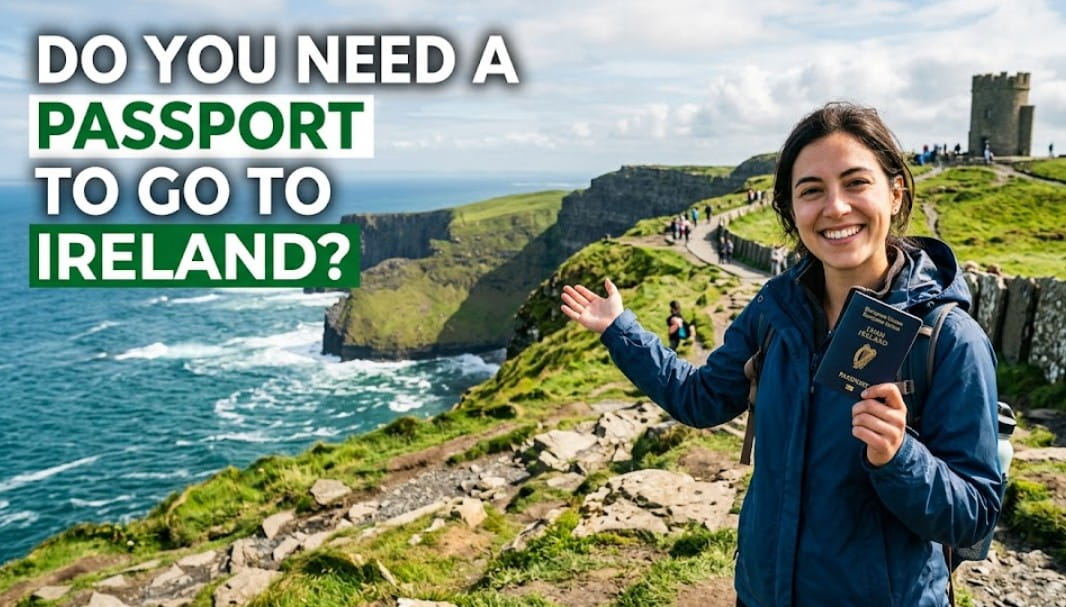
Yes, you need a passport to go to Ireland by plane. While under the Common Travel Area, British citizens do not legally require a passport; however, major airlines like Ryanair and Aer Lingus mandate a valid passport or passport card for all flights between the UK and the Republic of Ireland, overriding historical passport-free rules.
Do you need a passport to go to Ireland from the UK?
The biggest structural shift in travel documentation occurred on 25 February 2026. On this date, Aer Lingus officially aligned its boarding rules with Ryanair, removing the long-standing driving licence loophole on the London-to-Dublin shuttle route.
Because airline contracts of carriage override constitutional CTA privileges, carriers enforced these regulations to standardise digital check-in systems and maintain total alignment with the UK’s fully deployed Electronic Travel Authorisation (ETA) framework.
If you arrive at a UK departure gate for an Irish flight without a passport, you will be denied boarding automatically, regardless of your citizenship.
Carrier-by-Carrier Comparison (May 2026)
Since the landmark policy shifts in early 2026, air carriers have diverged significantly from traditional Common Travel Area (CTA) norms. Use the following breakdown to ensure you aren’t denied boarding based on your choice of airline or ferry operator.
| Airline | Passport Required? | Accepted Alternative ID | Notes |
| Ryanair | Yes | Irish Passport Card | Strictly no driving licences. |
| Aer Lingus | Yes | Irish Passport Card | Policy changed 25 Feb 2026. |
| British Airways | Usually | Driving Licence (Photo) | Accepted on BA metal, but NOT on Aer Lingus codeshares. |
| Stena Line (Ferry) | No | Driving Licence / Expired Passport | Must be a valid photo ID for CTA citizens. |
Can I travel to Ireland with a driving licence instead?
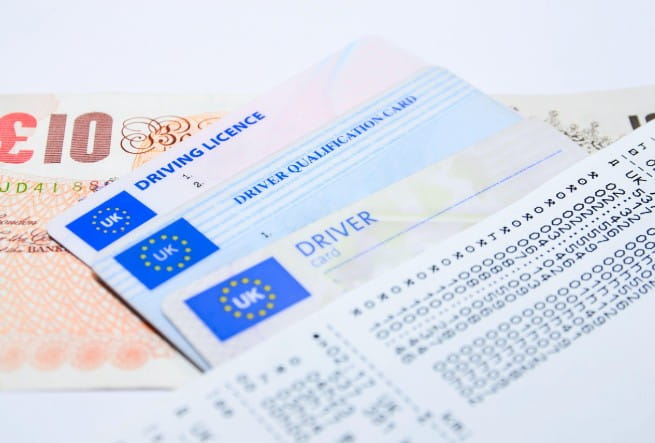
You can travel to Ireland with a driving licence only if you choose sea transit. Ferry operators crossing the Irish Sea from England, Scotland, or Wales explicitly accept a valid photographic driving licence from British and Irish citizens.
This alternative identification is completely barred, however, by almost all commercial airlines.
Identification Requirements for Ferry Travel
While air travel options have tightened significantly, the sea bridge remains the most accommodating route for individuals utilizing alternative identification documents.
Ferry operators like Stena Line and Irish Ferries continue to honour the spirit of the Common Travel Area. When booking a ferry, the following are generally accepted:
- A valid photographic driving licence (UK or Irish).
- An expired passport (usually valid for up to two years after expiry for CTA travel).
- A European Union National ID card.
- Government-issued photo ID (e.g., a bus pass with a photo).
Identification Requirements by Mode of Transport (2026)
As of May 2026, the documentation you need depends entirely on how you cross the Irish Sea. While the Common Travel Area (CTA) simplifies things for British and Irish citizens, airline policies and updated immigration spot-checks for non-EU nationals have made certain documents mandatory in practice.
| Travel Method | British/Irish Citizens | Non-UK/EU Citizens (e.g. Indian) | Accepted ID Types |
| Flights (All Airlines) | Mandatory | Mandatory + Visa/ETA | Passport or Passport Card only |
| Ferry (UK to IE) | Recommended | Mandatory + Visa | Passport, Driving Licence, National ID |
| Land Border (NI to IE) | None | Mandatory | No fixed checks; ID carries for safety |
The London to Belfast vs. London to Dublin Distinction
There is a massive difference between flying to Northern Ireland and flying to the Republic.
- London to Belfast: This is a domestic UK flight. A driving licence is standard.
- London to Dublin: This is an international flight into a separate sovereign state. This is where the 2026 passport mandates apply.
- Belfast to Dublin (Land Border): There are no fixed passport controls. However, spot checks by the Garda Síochána are more frequent in 2026, especially as authorities monitor the impact of the Shabana Mahmood Immigration Reforms on cross-border movement, and you are expected to carry proof of nationality.
Can I go to Ireland on an Indian passport from the UK?
Yes, you can go to Ireland on an Indian passport from the UK, but you must present your physical passport alongside a valid visa or British-Irish Visa Scheme (BIVS) endorsement.
Indian citizens cannot use the passport-free benefits of the Common Travel Area, making a valid passport non-negotiable for all routes.
The British-Irish Visa Scheme (BIVS)
Indian citizens may be able to enter Ireland without a separate Irish visa if they hold a valid UK Standard Visitor visa endorsed with BIVS.
- Is Ireland visa-free for Indians? Generally, no. However, under the BIVS, if you have cleared UK immigration first on a qualifying visa, you can move to Ireland for a short stay.
- Can I enter Ireland with a UK visa? Only if it is a specific short-stay visitor visa. Work or student visas do not grant automatic entry to Ireland; a separate Irish visa is required.
- Ireland e-visa for Indians: While Ireland has modernised its systems, most Indian nationals still require a physical vignette or a pre-cleared electronic record linked to their passport.
The Step-by-Step BIVS Guide for Indian Citizens
The British-Irish Visa Scheme (BIVS) allows Indian nationals with a valid UK Standard Visitor Visa to travel to Ireland without a separate Irish visa.
- Check your Visa: Ensure your UK visa is endorsed with BIVS.
- Entry Order: You MUST enter the UK first. You cannot fly directly from India to Dublin on a BIVS-endorsed UK visa without first clearing UK immigration.
- Carrier Rules: Even with BIVS, you must present your physical Indian passport. A UK BRP (Biometric Residence Permit) is not a travel document and will not be accepted at the gate.
- Stay Duration: You can stay in Ireland for up to 90 days or until your UK leave expires, whichever is shorter.
Entry Requirements Checklist for Indian Citizens
- Valid Indian Passport: Must have at least 6 months’ validity.
- Irish Visa or BIVS endorsement: Applied for via VFS Global or the Irish Embassy. When applying for new travel documents, many applicants hit a snag, wondering what if I don’t know anyone to countersign my passport, so ensure you have a professional contact ready to verify your identity.
- Proof of Funds: Recent bank statements showing sufficient spending money (typically £45–£85 / €50–€100 per day).
- UK Residence Proof: Your BRP card or digital status to ensure re-entry to the UK.
Why is Ireland not in the Schengen Area?
Ireland is not in the Schengen Area because it prioritises maintaining the open border and the Common Travel Area agreement with Northern Ireland and the wider United Kingdom.
Joining the Schengen zone would legally require Ireland to introduce systematic passport checks on arrivals from the UK, ending passport-free cross-border movement on the island.
Geopolitical Realities and Travel Boundaries
Because Ireland chose to prioritise its unique geographical and political ties to the UK over continental border integration, the country operates an entirely independent visa ecosystem.
Many travellers looking for warm-weather holiday spots outside the CTA often cross-reference these boundary rules, while others track broader regional stability, asking questions like Is it safe to travel to Cyprus with the trouble in Israel before arranging Mediterranean itineraries.
Ultimately, this means that holding a standalone Irish visa provides no entry rights to European Schengen nations like France or Germany. Conversely, a standard European Schengen visa is completely invalid for entry into Dublin.
2026 Logistics & Etiquette
Travelling to Ireland in 2026 requires transitioning to the Euro (€) and budgeting approximately £70–£100 (€80–€120) daily for mid-range expenses.
The local etiquette is overwhelmingly casual, allowing standard attire like jeans in most venues, while social interactions rely heavily on polite conversational filler phrases.
Practical On-The-Ground Guidance
- Spending Money: Ireland is significantly more expensive than many parts of the UK. Budget at least £70–£100 (€80–€120) per day for mid-range travel.
- Best Month to Visit: May and September offer the best balance of manageable crowds and dry weather.
- Local Etiquette: It is perfectly fine to wear jeans in most Irish pubs and restaurants. When someone says Sorry, they often aren’t apologising for a mistake; it’s a social lubricant used to start a sentence or pass someone in a narrow hallway.
Emergency Protocol: If You Lose Your ID in Ireland
If you lose your passport or travel ID while in Ireland, you must immediately file an official report with the nearest Garda Síochána station to obtain a police reference document.
Following this, you must apply for an Emergency Travel Document (ETD) from the British Embassy or your respective home country’s embassy in Dublin to legally clear airport security for your return flight.
Actionable Recovery Steps
- File a Police Report: Locate the closest Garda station right away. You must obtain a certified copy of the report to prove the loss to transport authorities.
- Contact Your Embassy: Reach out to the British Embassy in Dublin (or your home nation’s representative office) to initiate an emergency passport application process.
- Coordinate with Transport Carriers: Contact your travel provider immediately. While select ferry lines may occasionally permit UK citizens to board a return ship using a verified police report, commercial airlines will strictly refuse boarding without a valid temporary passport.
- Pre-Trip Document Loss: If you are still inside Great Britain and discover your travel documents are missing shortly before your departure date, you will need to apply for an Emergency Passport Same Day UK appointment at a passport office to avoid missing your flight.
Work Visas and Permanent Residency (PR) for Indians
Ireland’s economy in 2026 continues to see high demand for skilled professionals, particularly in health, technology, and construction. For Indian nationals, the Critical Skills Employment Permit remains the fastest route to residency.
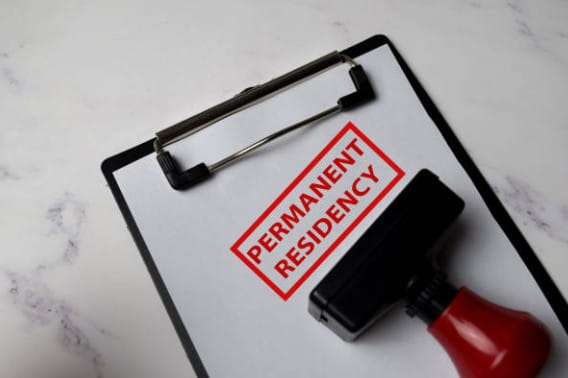
Does Ireland give PR in 2 years?
Yes, under specific conditions. If you hold a Critical Skills Employment Permit, you can apply for a Stamp 4 support letter after 21 months of employment. This Stamp 4 allows you to work for any employer without a permit, effectively acting as Permanent Residency (PR).
Steps to Secure an Irish Work Visa and PR:
- Secure a job offer from an Irish employer with a minimum salary of €38,000 (approx. £32,500) for standard roles or €34,000 (approx. £29,000) for specific, highly-demanded roles.
- The employer or employee applies for the Critical Skills Employment Permit via the Department of Enterprise.
- Once the permit is granted, apply for the D Long-Stay Visa from your local VFS centre.
- Register with the Garda National Immigration Bureau (GNIB) upon arrival to get your IRP card.
- Work for 21 months on Stamp 1 status.
- Apply for Stamp 4 (Permanent Residency) in your second year.
- Apply for Irish Naturalisation (Passport) after 5 years of reckonable residence.
The Documentation Fact-Check
While the rules of the Common Travel Area are deep-rooted, 2026 has brought several practical shifts to border enforcement and carrier policies. Use the table below to separate outdated travel assumptions from the current legal and airline requirements.
| The Myth | The 2026 Reality |
| I’m British, so I only need a driving licence to fly to Dublin. | False. Since the February 2026 policy shifts, almost all airlines require a passport to verify nationality and comply with digital check-in systems. |
| A UK BRP card is a valid travel document for Ireland. | False. Indian citizens must carry their physical passport plus their BRP or a valid Irish/BIVS visa; a BRP alone is never sufficient for travel. |
| Dublin is part of the Schengen Area. | False. Ireland remains outside Schengen; a European Schengen visa will not grant you entry to the Republic of Ireland. |
| The land border has permanent passport desks. | False. There are no fixed booths, but Garda spot-checks are much more frequent in 2026 to monitor cross-border movement. |
Final Summary and Checklist
While the law says a passport isn’t required for British citizens, 2026 travel realities say otherwise. If you are flying, bring your passport. If you are an Indian national, ensure your BIVS or Irish Visa is in order before heading to the airport.
Final Checklist:
- Flights: A passport is mandatory for all ages.
- Ferries: A driving licence is okay for UK/Irish citizens.
- Non-Citizens: Passport + Visa/BRP is required for all routes.
- Currency: The Republic of Ireland uses the Euro (€). If you are crossing the border from Northern Ireland, you will need to switch from Pounds Sterling (£) to avoid high bank transaction fees.
Verification Statement: This guide is verified against the May 2026 Department of Justice (Ireland) Border Management requirements and current UK Home Office CTA guidance.
FAQ
Do you need a passport to go to Ireland after Brexit?
Yes, practically. While Brexit didn’t end the Common Travel Area, it increased the frequency of identity checks. Most airlines now require a passport to verify nationality and immigration status.
Can I travel to Ireland with just my ID?
Only if you are a British/Irish citizen taking a ferry. ID usually refers to a driving licence. For all flights, a state-issued passport is the only accepted identification.
Is there no passport control between the UK and Ireland?
Legally, there is no immigration control for CTA citizens. However, there are identity checks. Immigration officers at Dublin Airport often perform spot checks to ensure passengers are truly British or Irish.
Do children need passports for Ireland?
As of 2026, major airlines require every passenger, including infants, to have their own passport. For ferry travel, a birth certificate is often sufficient for minors travelling with parents.
How much does an Irish visa cost?
A single-entry short-stay visa typically costs €60 (approx. £52), while a multi-entry visa costs €100 (approx. £85). VFS processing fees are additional and vary by location.
Is Dublin part of the UK?
No. Dublin is the capital of the Republic of Ireland, which is an independent sovereign nation. Belfast is the capital of Northern Ireland, which is part of the UK.
How long does it take to get an Irish passport?
For those eligible through descent or naturalisation, standard online renewals take about 10–15 working days. First-time applications can take 6–8 weeks, depending on document verification.