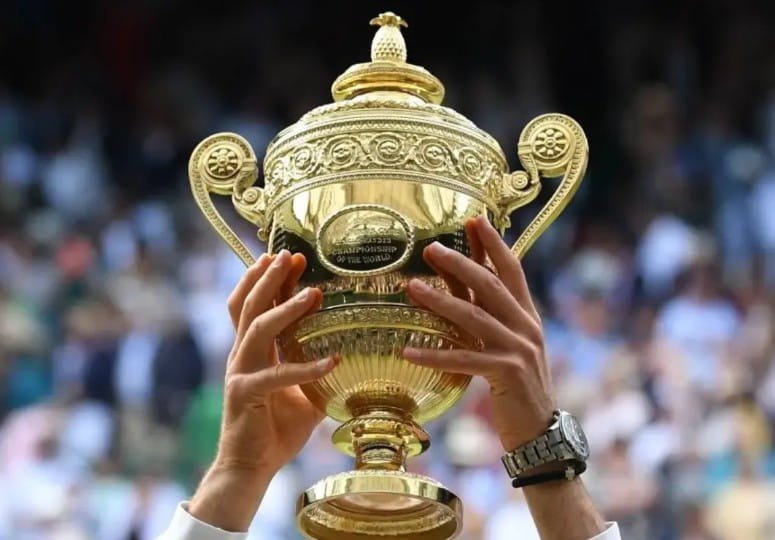
To understand Why Is There a Pineapple on the Wimbledon Trophy of British tennis tradition, one must look back to the high-society customs of 19th-century England.
The presence of a tropical pineapple crowning the world’s most prestigious tennis prize remains one of the most fascinating design anomalies in modern sports. When the Gentlemen’s Singles Champion lifts the historic silver-gilt cup on Centre Court, millions of viewers worldwide ask the same question.
Why Is There a Pineapple on the Wimbledon Trophy?
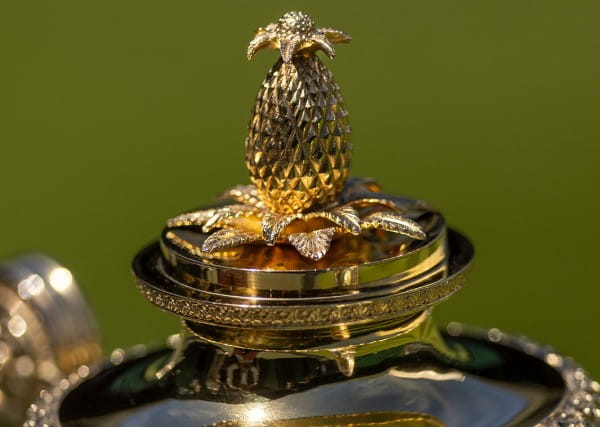
The golden pineapple sits atop the Wimbledon trophy because in Victorian England, the fruit was the ultimate status symbol of immense wealth, luxury, and social prestige.
Because they were incredibly rare and expensive to import or cultivate in domestic hothouses, displaying a pineapple at a gathering demonstrated unparalleled hospitality and high societal rank to all guests.
Immediately following the introduction of the modern Gentlemen’s Singles Challenge Cup by the All England Lawn Tennis and Croquet Club (AELTC) in 1887, onlookers noticed the distinctive decorative fruit structure fastened to the lid.
To grasp how this exotic fruit became central to the tournament’s identity, one must look at the unique socio-economic landscape of late-19th-century Britain.
In 19th-century England, a single domestic pineapple could cost up to £2,000 in modern currency equivalents to cultivate. Because of this astronomical value, wealthy families frequently rented the same fruit for a single evening simply to display it as a centerpiece to their dinner guests.
According to historical trade data maintained by the UK National Archives, the steep import tariffs and immense fuel costs required to cultivate tropical fruits locally transformed the pineapple into a currency of high social status, long before it ever became a sporting emblem.
An Elite Victorian Status Symbol of Wealth
The pineapple became an elite status symbol because the extreme financial cost and logistical difficulty of growing it in the cold British climate meant only the ultra-wealthy could afford to display it. It was a literal physical manifestation of economic power and high social class.
During the 18th and 19th centuries, long before modern global shipping lanes and refrigeration existed, importing fresh fruit from the West Indies to the British Isles was an incredibly risky and expensive logistical feat.
To counter shipping losses, wealthy aristocrats constructed specialized, coal-heated brick greenhouses known as pineries across the UK.
The astronomical cost of coal, glass taxes, and specialized labor meant that growing a single domestic pineapple could cost the equivalent of thousands of pounds in today’s currency.
A common pattern among the Victorian elite was to use fruit purely as a dinner-table centerpiece to flaunt their economic power.
Wealthy families who could not afford to buy one outright would frequently rent a pineapple for a single evening just to showcase it to their dinner guests before returning it to the merchant.
By placing the fruit at the apex of the cup, the designers chose a universal visual shorthand for absolute luxury and crowning achievement.
How was a Victorian Pineapple Grown?
Growing a pineapple in Victorian Britain required a highly precise, labor-intensive process involving specialized “pineries” heated by constant coal fires and decomposing manure to simulate tropical climates.
To truly understand why the fruit was valuable enough to be cast on a trophy, look at the painstaking step-by-step agricultural process required to produce just one pineapple in England:
- Step 1: Constructing the Pinery. Aristocrats built specialized brick greenhouse structures with sloped glass roofs to trap as much natural British sunlight as possible.
- Step 2: Creating the Sub-Beds. Deep pits inside the greenhouse were filled with fermenting tanner’s bark or horse manure. As the organic matter decomposed, it generated the steady, underground root heat necessary for tropical plants.
- Step 3: Managing the Flues. Drafty brick flues ran through the walls, burning massive amounts of expensive coal day and night to keep the air temperature consistently hot, even during freezing British winters.
- Step 4: Years of Labor. A single pineapple plant required up to three years of daily, meticulous maintenance by specialized gardeners before it would bear a single piece of fruit.

The Architectural Tradition of British Hospitality
Beyond its literal value as an expensive food item, the pineapple evolved into a widespread decorative motif across Great Britain. It became a traditional emblem representing warm hospitality, celebration, and elite welcome.
Architects and stonemasons throughout the country began carving stone pineapples onto the gateposts of stately country manors, public buildings, and the plinths of grand estates.
When high-society silversmiths designed luxury presentation hollowware, incorporating a pineapple finial onto a removable lid was considered the highest artistic compliment to the recipient, symbolizing that they were being received with the utmost honor and warmth.
The Folklore of the Returning Naval Captains
According to maritime folklore, British naval captains placed fresh pineapples on their gateposts to signal a safe return from the Americas and to invite neighbors into their homes for celebratory gatherings
A popular, long-standing alternative theory connects the trophy’s decoration to historic maritime culture. According to traditional folklore, 18th-century British navy captains would place a fresh pineapple on their home’s front gateposts or door spikes immediately upon returning from overseas voyages to the Americas.
This public display served as an announcement to friends, neighbors, and local community members that the captain had returned safely from the sea and was ready to host visitors.
While historians consider this theory secondary to the pure wealth-status symbol argument, it underscores how deeply embedded the tropical fruit was within the British concept of victory, safe return, and celebratory gathering.
How the Trophy Came to Be?
The modern Wimbledon trophy was created following a financial strain where early players permanently kept the club’s older prizes after winning three consecutive tournaments.
The chronological sequence of events that led to the trophy we see today happened in distinct historical phases:
- Phase 1: The Lost Trophies. From 1877 to 1886, Wimbledon operated under a challenge rule. If a player won the tournament three times in a row, they took ownership of the cup permanently.
- Phase 2: The Renshaw Dominance. Champion William Renshaw won consecutive titles and walked away with both of Wimbledon’s original prizes: the Field Cup and the first Challenge Cup.
- Phase 3: The Financial Emergency. Finding its silverware budget completely drained by Renshaw’s victories, the AELTC committee realized it needed a permanent solution.
- Phase 4: The 1887 Commission. The club banned permanent trophy ownership, allocated a strict budget of 100 Guineas, and commissioned Elkington & Co. to forge a permanent, definitive masterpiece that would never be replaced.
Why Is There a Pineapple on the Men’s Wimbledon Trophy?
The specific focus of the fruit on the men’s prize, and not the women’s, is tied directly to the separate historical timelines, manufacturers, and artistic themes chosen for each tournament’s silverware.
| Trophy Metric | The Gentlemen’s Singles Trophy (Challenge Cup) | The Ladies’ Singles Trophy (Venus Rosewater Dish) |
| Year Introduced | 1887 | 1886 |
| Primary Material | Silver-gilt (Sterling silver coated in a thin layer of gold) | Sterling silver (partially gilded) |
| Manufacturing Cost | 100 Guineas | 50 Guineas |
| Maker / Origin | Elkington & Co. (Birmingham, UK) | Elkington & Co. (Casted from an 1864 Birmingham design) |
| Primary Structural Shape | 18-inch-tall covered cup with handles | 18.75-inch diameter circular salver plate |
| Dominant Symbolic Motif | Crowning Pineapple Finial (Wealth & Hospitality) | Classical Mythology (Temperance and Minerva) |
The reason a pineapple features prominently on the Wimbledon men’s trophy is that it was designed as a classic covered cup, which structurally requires a decorative handle, or finial, on top of its lid to allow people to lift it.
The Ladies’ Singles Trophy, conversely, was designed as a flat ceremonial plate known as a salver.
Because a plate has no lid or apex, there was never a structural need or architectural space to include a fruit finial. Instead, the ladies’ trophy focuses entirely on highly detailed, flat reliefs depicting classical Roman mythology and the liberal arts.
Who Designed the Men’s Wimbledon Trophy?
The creation of the Gentlemen’s Singles Challenge Cup was driven by a financial crisis at the All England Club during the 1880s.
Under the initial tournament rules, any player who won the Wimbledon title three consecutive times was allowed to keep the physical trophy permanently.
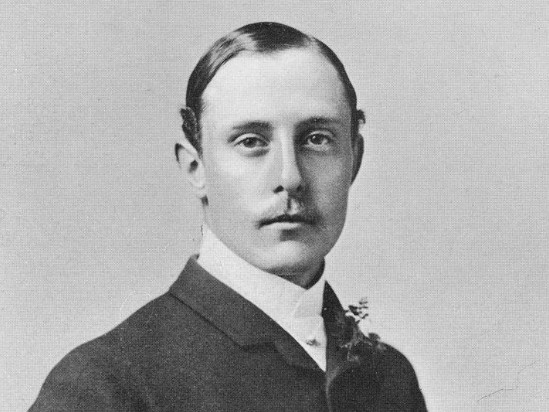
British tennis star William Renshaw accomplished this feat twice, walking away with both the original Field Cup (used from 1877 to 1883) and the subsequent Challenge Cup (used from 1884 to 1886).
The modern rule was born directly out of frustration with Renshaw’s consecutive victories, which had drained the club’s silverware budget.
To put a permanent stop to the cycle, the AELTC committee allocated a strict budget of 100 Guineas to commission Elkington & Co. of Birmingham for a definitive prize.
Under the new regulations, the original cup would permanently remain institutional property in the Church Road vaults, while future champions would receive a beautifully crafted three-quarter-size replica to take home.
The highly skilled artisans at the Birmingham workshop built the 18-inch silver-gilt structure, opting for a timeless, classical look that featured the head-turning pineapple right at the top.
The Design Anatomy of the Challenge Cup
The Gentlemen’s Singles Trophy is an 18-inch-tall silver-gilt cup featuring winged handles, floral decorations, and a removable lid topped by the iconic pineapple finial.
To understand the physical architecture of the prize that modern athletes compete for, we can look at its precise structural specifications:
- Height and Dimensions: The cup stands exactly 18 inches (45.7 cm) tall and has a diameter of 7.5 inches (19 cm).
- The Material Composition: It is made of sterling silver, but coated in a brilliant, thin layer of gold, a classic metalworking style known as silver-gilt or vermeil.
- The Handles: Two large, decorative winged handles extend from the sides, featuring detailed execution typical of late-Victorian industrial art.
- The Lid and Finial: The centerpiece of the removable lid is the silver-gilt pineapple, which acts as the practical knob used to remove the cover.
Pineapples vs. Strawberries: The Great Wimbledon Fruit Contrast
The pineapple on the trophy represents exclusive, elite 19th-century luxury, whereas the strawberries eaten by fans represent accessible, local agriculture that naturally ripens during the British summer tournament.
The visual presence of the pineapple on the main trophy creates a fascinating historical juxtaposition with the actual culinary habits of the tournament’s spectators.
According to official AELTC annual consumption records, visitors at SW19 consume more than 38,000 kilograms of fresh strawberries alongside thousands of litres of cream every summer.
The division between these two fruits represents a split between 19th-century luxury symbolism and practical seasonal agriculture.
Strawberries became synonymous with the tournament simply because they reached peak harvest in southern England at the same time the outdoor lawn tennis championships were scheduled to take place.
The strawberry was an accessible, fresh summer treat enjoyed on the grass by the general public. The pineapple on the cup, however, represented the unapproachable, elite luxury of high-society dinner parties. One fruit was brought to be eaten by the masses, while the other was cast in silver-gilt to be chased by the competitors.
A Lasting Crown of Sporting Prestige
The distinct pineapple resting atop the Wimbledon Gentlemen’s Singles Trophy serves as a beautiful nod to the elite world of Victorian design.
Born out of an era where global travel was rare, hothouse engineering was a luxury, and the fruit itself was rented out as a status symbol, it remains an unchanging emblem of the world’s most historic tennis tournament.
For tennis fans and historians tracking the updates of the tournament today, the fruit is no longer a symbol of inaccessible aristocratic wealth. Instead, understanding why there is a pineapple on the Wimbledon trophy means recognizing the lasting imprint of Victorian luxury customs for modern tennis fans in 2026.
Verified against official archival historical records from the All England Lawn Tennis and Croquet Club Official History Portal.
FAQ
Is the Wimbledon trophy made out of real gold?
No. The tournament’s premier trophy is constructed from silver-gilt, which is a base of high-quality sterling silver that has been chemically covered with a thin surface layer of gold using an electroplating process.
What does the pineapple symbol mean?
In British history, the pineapple stands as a classic symbol of exceptional wealth, high social status, luxury, and generous hospitality. Its rarity in the 18th and 19th centuries made it a grand statement of privilege.
Do the Wimbledon winners get to keep the trophy?
No. The authentic Challenge Cup stays permanently at the All England Club. Champions are presented with a three-quarter-size replica measuring 13.5 inches tall that features the engraved names of all past winners.
What fruit sits on top of the Wimbledon men’s trophy?
The fruit that sits directly on the apex of the Wimbledon men’s singles trophy is a silver-gilt pineapple. It functions as the decorative knob, or finial, on the removable center lid of the cup.
Does rugby’s premier prize feature the same fruit?
Yes. The Wimbledon Gentlemen’s Singles Trophy is not alone; rugby’s famous Webb Ellis Cup (the Rugby World Cup trophy) also features a pineapple finial on its handles.
Which trophy has a pineapple on its top?
The Wimbledon Gentlemen’s Singles Trophy, officially known as the Challenge Cup, features a pineapple. Additionally, rugby’s famous Webb Ellis Cup (the Rugby World Cup trophy) also features a pineapple finial on its handles.
Why is there a pineapple on the Wimbledon trophy instead of a tennis ball?
When the trophy was crafted in 1887, sports trophy design leaned heavily on traditional high-society silversmith motifs rather than literal athletic imagery. The pineapple was selected to convey luxury and prestige rather than literal tennis equipment.
What are the 4 Grand Slam trophies?
The four major tennis championship trophies are the Gentlemen’s Singles Challenge Cup (Wimbledon), the Musketeers’ Cup (French Open), the Norman Brookes Challenge Cup (Australian Open), and the US Open Championship Cup.