The case of the Carole Wright fly tipping fine has become a national symbol of the debate over “proportionate enforcement” in the UK.
What started as an 83-year-old grandmother attempting to recycle a single cardboard box ended in a £600 Fixed Penalty Notice (FPN) and a legal battle that has sparked outrage across Berkshire and beyond.
As of March 2026, new developments in local council enforcement and the status of Carole’s appeal have brought this story back into the spotlight.
The national outcry following Carole Wright’s fine has highlighted a growing disconnect between strict local enforcement and the common-sense expectations of the British public.
Understanding the specifics of this case is essential for anyone navigating the increasingly complex web of UK waste disposal and council penalty structures in 2026.
What happened in the Carole Wright fly tipping case?
In late 2025, Carole Wright, an 83-year-old resident of Reading, visited the recycling drop-off point at the Milestone Centre. According to her family, Carole placed a cardboard box (which had contained a new egg poaching pan) into a recycling bin.
However, days later, she received a letter from Kingdom Services Group, an environmental enforcement contractor working for Reading Borough Council.
The letter alleged that the box was not disposed of correctly and issued a £600 fine for fly-tipping.
The enforcement team provided photographic evidence of the box, which bore Carole’s address, appearing outside the bin, likely having been blown out or displaced by other users.
This incident has added to the growing list of concerns for residents navigating a rapidly changing local landscape.
We have seen similar public disappointment recently regarding the Regatta Dundee store closure, where the loss of a long-standing local fixture has left the community feeling unheard by those in charge of local planning and services.
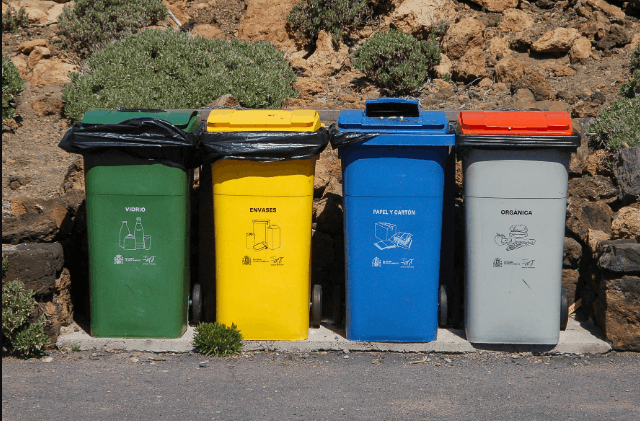
Why did a single box lead to a £600 fine?
To many, a £600 penalty for a single cardboard box seems draconian. However, under the Environmental Protection Act 1990, councils have the power to issue Fixed Penalty Notices for duty of care failures.
The high cost is tied to Reading Borough Council’s 2025/2026 fee structure, a price hike that mirrors the rising cost of living across the UK.
These changes come at a time when many households are already forced to be more meticulous with their logistical planning, tracking everything from council tax bands to the ALDI UK store closure dates to manage their essential weekly budgets
While some councils offer lower rates for littering, the placement of household waste beside or on top of a full bin is now strictly classified as fly-tipping under these updated 2026 mandates.
The Contractor Factor: Reading Council uses a private firm, Kingdom Local Authority Support (KLAS), to handle enforcement. Critics argue that private contractors are incentivised to issue as many fines as possible, leading to a zero-tolerance approach that fails to account for the age or intent of the resident.
Has the Carole Wright fine been cancelled yet?
As of March 2026, the case remains a point of contention. While public response led to a GoFundMe campaign that raised funds to cover the cost, Carole’s daughter, Catherine, has continued to fight the guilty label on behalf of her mother.
Latest Status:
- The Council’s Stance: Reading Borough Council recently issued a statement reiterating that they have a duty to investigate all reports of waste. They claimed that no response was received within the initial 30-day period, which triggered the fine.
- The Appeal: The family has submitted medical evidence regarding Carole’s health and age, seeking a retrospective cancellation. As of late March 2026, the Council has indicated they remain open to dialogue but have not officially rescinded the fine on the public record.
Is it illegal to leave recycling next to a full bin in the UK?
Yes. This is perhaps the most misunderstood part of UK waste law. Under Section 34ZA of the Environmental Protection Act 1990, householders have a duty of care to ensure their waste is disposed of properly.
If a recycling bin is full and you leave your waste on the ground next to it:
- It is legally classified as fly-tipping.
- It attracts vermin and encourages others to dump larger items.
- Enforcement officers can use any address found on the waste to issue an FPN.
It is a vital legal distinction: even if your intention is to be helpful by dropping items at a recycling site, the act of leaving waste on the ground is legally sufficient to trigger an FPN.
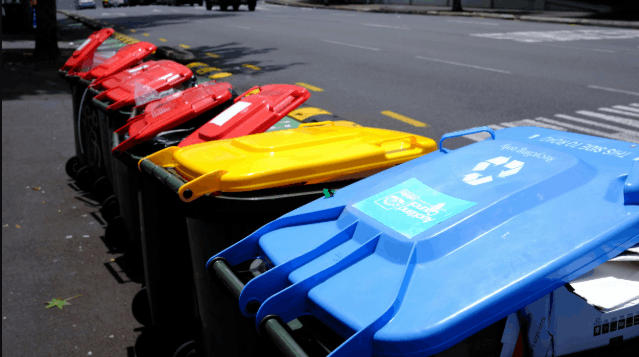
How does the law distinguish between accidental and intentional fly-tipping?
In the eyes of the law, intent is often irrelevant when it comes to an FPN. The offence is strict liability, meaning if your waste is on the floor, the offence is complete.
However, the Government’s Sentencing Council guidelines suggest that enforcement should be proportionate. Lawyers argue that for an 83-year-old woman with no prior record, a warning or a lower-tier littering fine would have been more appropriate than a £600 criminal-level penalty.
Reading Borough Council Environmental Fine Tiers (2026)
| Offence Type | FPN Amount | Max Court Penalty |
| Littering (Cigarettes, wrappers) | £500 (£100 if paid in 10 days) | £2,500 |
| Household Waste Duty of Care | £600 | £5,000 |
| Fly-Tipping (Large scale) | £1,000 | Unlimited Fine / 5 Years Prison |
What should you do if you receive a fly-tipping fine like Carole Wright?
If you receive a letter from Kingdom or your local council, do not ignore it. The Carole Wright case escalated partly because of a breakdown in communication during the first 30 days.
- Do Not Ignore the Letter: Ignoring an FPN can lead to a summons to the Magistrates’ Court, where the fine can become unlimited.
- Gather Evidence: If the bin was overflowing, take a photo. If you have a medical condition or were misled by signage, document it immediately.
- Submit a Representation: Most councils have an informal appeals process. Write to them (within 14 days) explaining the extenuating circumstances.
- Contact Your Local Councillor: Local political pressure can sometimes force a council to review their zero-tolerance policy for vulnerable residents.
FAQ about Carole Wright fly tipping fine
Was Carole Wright’s fine cancelled?
As of March 2026, the fine has been paid via public donations, but the family is still seeking a formal apology and a reversal of the offence status from Reading Council based on medical grounds. The council maintains they are open to dialogue regarding the evidence provided.
Can you be fined for leaving rubbish next to a full bin?
Yes. Most UK councils, including Reading, classify side waste at recycling centres as fly-tipping. In Reading, this carries a fixed penalty of £600. The law requires you to take the waste home if the bin is full.
How much is a fly-tipping fine in Reading in 2026?
Following the 2025 fee increases, the standard FPN for fly-tipping in Reading is £1,000. However, the incorrect disposal of household waste (which applies to Carole Wright) is set at £600.
What is Kingdom Services Group?
Kingdom Local Authority Support (KLAS) is a private contractor used by Reading Borough Council on a trial basis to enforce littering and fly-tipping rules. Their officers wear body-worn cameras and issue FPNs in compliance with the council’s enforcement policy.
Conclusion: What this means for UK waste laws moving forward
The Carole Wright fly tipping fine serves as a stark reminder that doing the right thing (recycling) must be done according to the letter of the law.
As councils face budget cuts, the reliance on private enforcement firms like Kingdom is clearly on the rise.
This shift in how local services operate is part of a broader trend of high street instability, highlighted by recent commercial changes like the Costa Coffee Greengates closure, as both local authorities and businesses struggle to balance the books in 2026.
Residents must now be more vigilant than ever, ensuring that waste is placed inside a bin or taken to a designated tip to avoid life-altering fines.