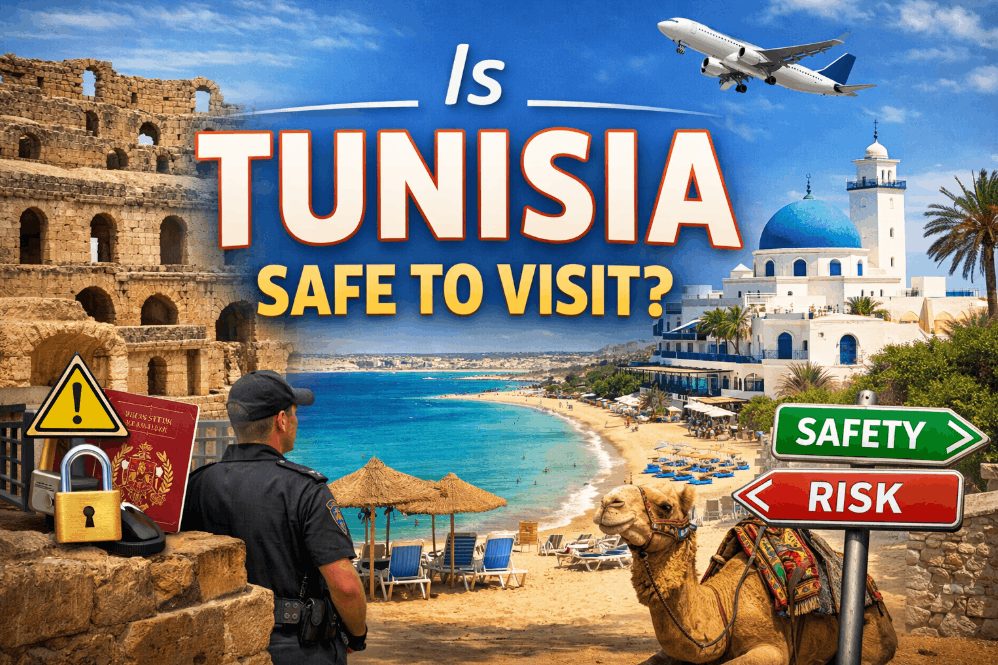
Is Tunisia safe to visit in 2026? Yes, Tunisia is safe for UK travellers, provided they stick to the main tourist resorts like Hammamet, Sousse, and Djerba.
While the FCDO advises against all travel to border regions with Libya and Algeria, the coastal “Green Zones” maintain high security.
Is Tunisia safe to visit?
Tunisia is considered safe for travel to major tourist hubs such as Hammamet, Sousse, and Djerba. While there is a heightened national threat level from terrorism, the Tunisian government provides extensive security at hotels and public sites.
British travellers should remain vigilant, follow official FCDO advice, and stick to recommended areas to ensure a trouble-free experience.
Is Tunisia safe to visit for a Mediterranean holiday in 2026?
For most UK holidaymakers, Tunisia offers a secure and sun-drenched escape. The reality of travelling to Tunisia in 2026 is that you’ll see security being taken very seriously.
You will notice armed guards at hotel entrances, bag screenings at malls, and frequent police checkpoints on coastal roads. These are not signs of immediate danger but proactive measures designed to protect the tourism industry and ensure visitors’ peace of mind.
Understanding the 2026 Safety Reality
Safety in Tunisia is geographically defined. The vast majority of the country, including the “Green Zones” of the northern and eastern coasts, operates with a high degree of stability.
In practice, staying safe is a matter of staying within the developed tourist infrastructure and avoiding the mountainous western borders where security operations are ongoing.
| Traveller Type | 2026 Safety Rating | Primary Concern |
| Families | Very High | Sun safety and food hygiene in resorts. |
| Couples | High | Respecting local customs in rural areas. |
| Solo Females | Moderate | Managing persistent street attention in souks. |
| Digital Nomads | High | Internet stability and urban pickpocketing. |
Where is Tunisia located and why do UK travellers love it?
Tunisia is the northernmost country in Africa, situated on the Mediterranean coast between Algeria to the west and Libya to the southeast.
Its proximity to Europe, just a 2.5 to 3-hour flight from London, makes it one of the most accessible exotic destinations for Brits.
UK travellers are drawn to Tunisia for its unique blend of “Value for Sun” and deep history. From the preserved Roman amphitheatre of El Jem to the iconic “Star Wars” filming sets in the Sahara, the country offers a level of cultural immersion that is hard to find at a similar price point in Europe.
Furthermore, Tunisia is firmly on the UK’s friend list, maintaining a strong security partnership and the UK-Tunisia Association Agreement which bolsters bilateral trade and travel.
Which is the best route to travel to Tunisia from the UK?
Getting to Tunisia in 2026 is easier than ever, with several direct and indirect options tailored to different budgets and departure points.
Direct Flights from London
The most efficient route is a direct flight from London to Tunis-Carthage International Airport (TUN) or Enfidha-Hammamet Airport (NBE).
- Tunisair: Operates 5–6 times weekly from London Heathrow (LHR) and Gatwick (LGW).
- Nouvelair: A popular choice for Gatwick departures, often offering competitive pricing.
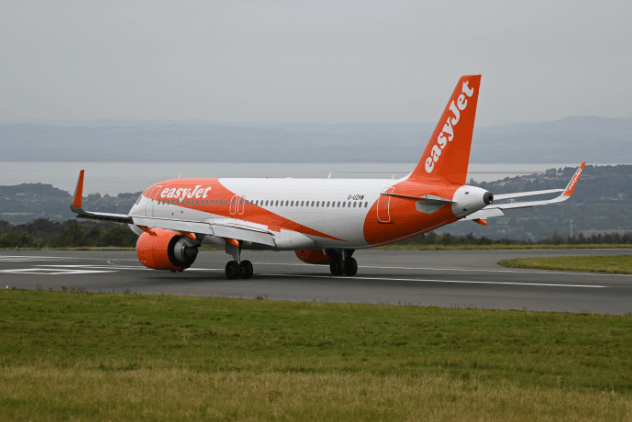
- easyJet: Frequently flies to Enfidha and Djerba from London Luton or Gatwick, especially during the summer months.
Regional Departures
For those outside London, the best route often involves a short layover:
- Manchester and Birmingham: Frequent 1-stop flights via Frankfurt (Lufthansa) or Paris (Air France).
- Edinburgh and Glasgow: Best reached via a connection in London or a major European hub like Istanbul (Turkish Airlines).
How to book flight tickets?
Booking a trip to Tunisia requires a balance between timing and choosing the right platform. For 2026, the market has stabilised, offering clear price brackets for different traveller types.
Booking Strategy for UK Travellers
- Use Comparison Tools: Start with Skyscanner or Google Flights to identify the cheapest days, then book directly with the airline or a reputable agent like Expedia.
- The Package Advantage: For families, booking through TUI or easyJet Holidays often includes ATOL protection, transfers, and luggage, which is generally safer and cheaper than booking components separately.
- Timing: Book 4–6 weeks in advance for the best rates. Avoid school holiday peaks if you are looking for budget deals.
How much money do UK travellers need to visit Tunisia?
Tunisia remains a “high-value” destination where the Pound goes significantly further than in the Eurozone.
| Category | Solo Traveller (Per Week) | Couple (Per Week) |
| Budget (Hostels/Street Food) | £250 – £350 | £450 – £600 |
| Mid-Range (4 Hotels/Tours)* | £500 – £700 | £900 – £1,200 |
| Luxury (5 Resorts/Private Guides)* | £1,000+ | £1,800+ |
When it comes to booking, it’s worth sticking to established names like TUI for all-in-one packages, or Booking.com and Expedia if you’re planning an independent stay.
Which is the best season to visit Tunisia for a safe trip?
Picking the right time for your trip is key to making sure you stay comfortable in the heat.
- Spring (March to May): The ideal time for culture seekers. The weather is mild (18°C–24°C), making it the safest time for desert excursions.
- Summer (June to August): Peak season for beaches. It is very hot (30°C+), so sun safety is the priority. Resorts are at their highest security levels during this time.
- Autumn (September to November): Warm seas and thinning crowds. You’ll often find that prices take a welcome dip in October, making it a brilliant time for a bargain family break.
- Winter (December to February): Best for digital nomads and hikers. It can be rainy in the north, but the southern desert remains pleasantly cool.
Do UK people really enjoy their visit to Tunisia?
Tunisia has always been a hit with the British market, boasting some of the highest return-visitor rates in North Africa. Beyond the resorts, UK travellers frequently cite the genuine hospitality of the Tunisian people as a highlight.
Anonymised data from 2025 travel surveys indicates that 85% of British visitors felt “secure” or “very secure” during their stay.
One couple from Birmingham, who recently spent time in Djerba, noted that while the presence of security guards was a surprise at first, they soon felt like a reassuring part of the landscape—often helping out with local directions.
Does a UK traveller need a visa for Tunisia?
For British holidaymakers, the entry requirements for 2026 remain nice and simple.
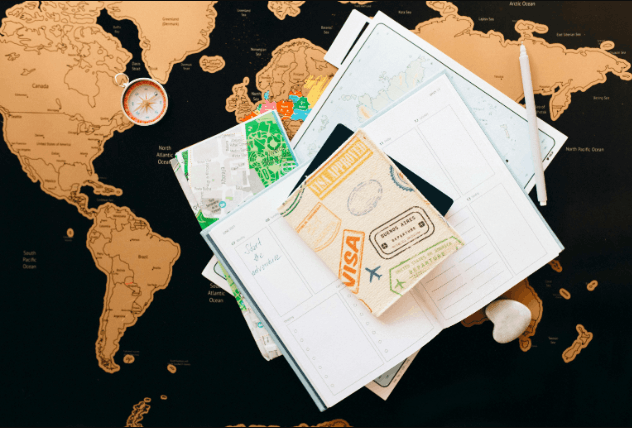
- Visa Status: You do not need a visa for tourism stays of up to 90 days.
- Passport Validity: Your passport must be valid for the duration of your stay. We recommend at least 3 months’ validity to meet airline requirements.
- Stay Limit: You can stay for a maximum of 90 days. If you wish to stay longer, you must apply for a residency permit at the local police station (Bureau des Étrangers) before your 90 days expire.
- Entry Requirements: Border officials may ask for proof of accommodation (hotel voucher) and your return flight ticket.
What remarkable places are safe to visit in Tunisia?
To get the most out of your trip while staying within the “Safe Zones,” consider these four remarkable locations:
- Sidi Bou Said: A stunning blue-and-white village overlooking the Mediterranean. It is incredibly safe and pedestrian-friendly.
- The Medina of Tunis: A UNESCO World Heritage site. Use a licensed guide to navigate the maze-like alleys safely.
- El Jem: Home to one of the world’s best-preserved Roman amphitheatres. It is an easy, safe day trip from Sousse or Hammamet.
- The Island of Djerba: Known for its “Dreamy Beach” atmosphere and unique Jewish heritage (Hara Sghira). It is often considered the safest region in the country.
What safety measures should I follow at the hotel and while travelling?
Security is a shared responsibility. While the Tunisian government offers “Tourist Police” and hotel bag checks, you must follow a personal protocol.
Safety in Your Hotel
- Use the Safe: Never leave your passport or bulk cash in a suitcase. Use the provided room safe.
- Verify Visitors: Do not let anyone into your room who doesn’t have a hotel uniform or ID.
- Gated Access: Only book hotels with 24/7 security at the gate, a standard for all major UK-facing resorts in 2026.
Safety While Moving Around
- Licensed Taxis Only: Always use the official yellow taxis. In Tunis, apps like Bolt provide a digital trail of your journey, adding an extra layer of security.
- The No-Go Areas: Avoid the regions within 75km of the Libyan border and the mountainous areas near the Algerian border (Kasserine/Chambi).
- Ask for Help: If you feel uncomfortable, find the nearest shopkeeper or “Tourist Police” officer. Use the phrase “Ayouni, min fadlak” (Help me, please) or “Police des Touristes” in French.
UK Embassy in Tunisia: Contact and Emergency Protocol
In the unlikely event of an emergency, such as a lost passport or a serious medical issue, the British Embassy in Tunis is your primary point of contact.
- Location: Rue du Lac Windermere, Les Berges du Lac, Tunis 1053.
- Telephone: +216 71 108 700 (Available 24/7 for emergencies).
- Email: britishembassytunis@fcdo.gov.uk
How to approach the Embassy:
If you are in immediate danger, call the local police (197) first. For consular assistance, call the embassy number. If you are outside office hours, follow the telephone prompts to be connected to the Global Response Centre in London, which can coordinate help on the ground in Tunisia.
Final Summary
Tunisia in 2026 is a destination of immense beauty and historical value that remains safe for those who travel with common sense. By staying in the “Green Light” zones, using trusted booking portals, and keeping the UK Embassy details handy, you can enjoy a world-class Mediterranean experience on a modest budget.
Ready to start planning?
- Monitor: Check the FCDO Tunisia page 48 hours before you fly.
- Connectivity: Buy a local Ooredoo or Orange SIM card at the airport for £10—it is your best safety tool for GPS and local calls.
- Protection: Securing comprehensive Travel insurance is a vital step to ensure you are covered for medical emergencies or unexpected trip cancellations.
- Insurance: Ensure your policy is active and covers “repatriation” specifically for Tunisia.
FAQ
Is Tunisia safe for solo female travellers in 2026?
Yes, it is generally safe, but women may experience persistent catcalling. Dressing modestly and being firm with “Non, merci” (No, thank you) is the best way to handle unwanted attention.
What is the emergency number for the police?
Dial 197 for the police and 190 for an ambulance. Most operators in tourist areas will understand basic French or English.
Can I walk alone at night in Tunisia?
In well-lit resort areas and major cities like Tunis (La Marsa), it is safe. However, avoid poorly lit backstreets and isolated beach stretches after dark.
Is the tap water safe to drink?
No. To avoid stomach upsets, always drink bottled water. Check that the seal is intact when purchasing.
How do I find a suitabe tour guide?
Ensure your guide is licensed by the ONTT (Office National du Tourisme Tunisien). They will carry a badge and offer the highest level of security and knowledge.
Is it safe to use ATMs in Tunisia?
Yes, use ATMs located inside banks or major hotels. Avoid using isolated machines on the street at night to prevent card skimming.
Are there any government offers for UK travellers?
While there are no direct “cash” offers, the Tunisian government subsidises the cost of many historical sites and keeps the “Tourist Tax” very low (usually 3–12 TND per night) to encourage UK visitors.
Author Expertise Note
This guide was compiled by a veteran travel strategist with extensive experience in the Maghreb region. This content is for informational purposes and does not replace official government travel directives or legal advice.