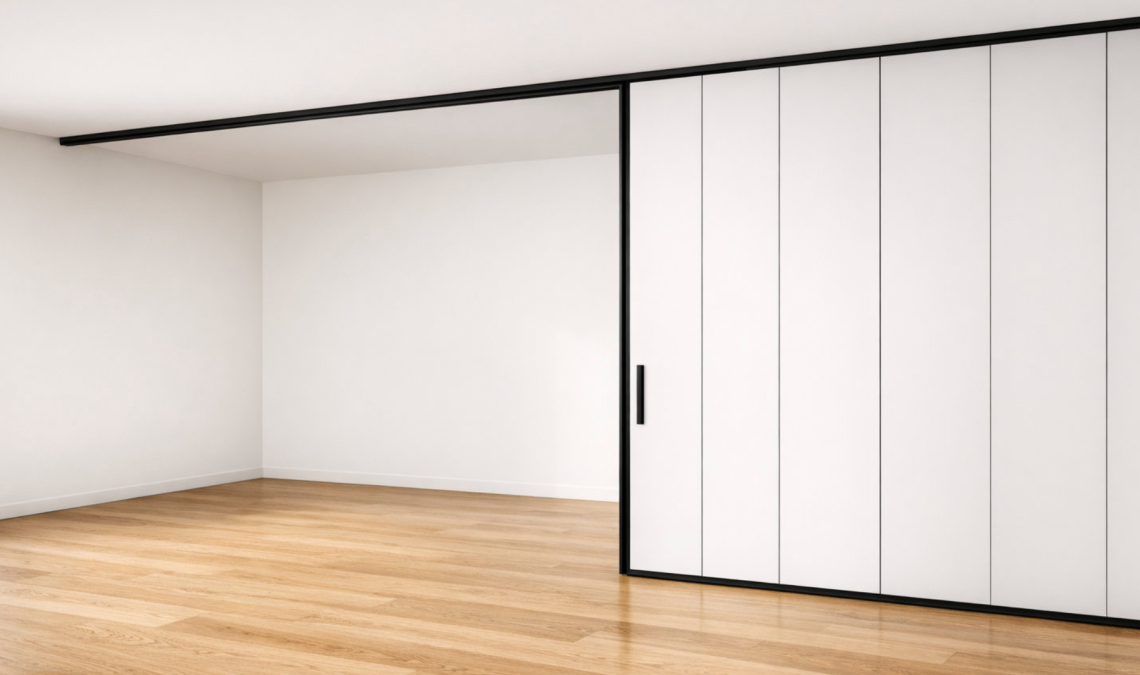
Movable walls provide a flexible way for businesses to adapt their premises efficiently and with minimal disruption.
Responding to changes in working practices and rising fit-out costs, organisations are increasingly looking for adaptable solutions to make the best use of internal space. This article explains how movable walls can be used to optimise commercial environments.
Businesses across the office, retail and hospitality sectors often find themselves needing to adjust their layouts in line with changing staffing levels and the increased prevalence of hybrid working.
The growing trend towards multi-functional spaces has also made flexible internal arrangements more important, with some organisations using solutions such as Avant Movable Walls as a way to make the most of their available space.
Movable walls facilitate a more versatile use of space and help to manage long-term property costs.
Adaptable Layouts for Changing Business Requirements
Firms now operate against a backdrop of hybrid working and regular shifts in staff numbers, which affects how commercial space is used.
As a result, interior arrangements need to support quick changes and accommodate several different uses within the same area.
Traditional construction and repeated fit-outs can be expensive and disruptive. Many decision-makers seek alternatives that limit interruption while still allowing efficient and adaptable floor plans.
Flexible partitioning is increasingly adopted to help maximise usable space and better suit varied working models.
Characteristics of Movable Walls versus Fixed Alternatives
Movable walls are engineered as adjustable partitions that can divide or open up areas as requirements change. They differ from fixed partitions by using systems to enable reconfiguration.
These systems include:
- Sliding
- Folding
- Operable panels
Situated between permanent walls and light temporary dividers, movable walls offer both acoustic and visual separation along with flexibility. These walls can be repositioned to create zones for meetings, quiet work or events, all with minimal building works and operational disruption.
How Flexible Wall Systems Deliver Practical Value
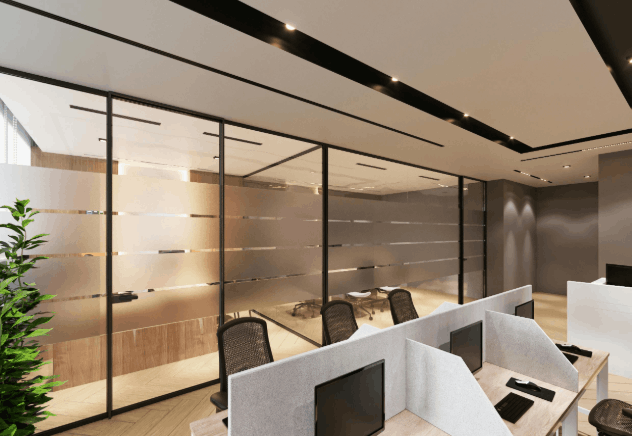
One of the main strengths of movable wall systems is space efficiency. With a suitable configuration, a large room can be divided into smaller, purpose-built areas that can be changed throughout the week to suit different needs.
Operational flexibility is another key benefit. Movable walls allow quick adjustment of layouts to support collaboration, training or private work, reducing downtime and limiting refurbishment requirements. Adaptations can often be made rapidly, minimising interference with day-to-day operations.
These systems typically need less time and fewer resources to reconfigure compared to more substantial works. This can help control costs associated with changing space requirements and ongoing alterations.
Managing how and when space is adjusted allows businesses to update layouts without the waste and higher expense of permanent construction.
Offices, co-working spaces and hospitality businesses sometimes find user satisfaction and reduced space wastage when using movable solutions.
For example, meeting rooms and event spaces can be adapted as bookings change, supporting greater occupancy and matching facilities to varying needs as required.
Critical Considerations to Make Before Installing Movable Walls
When considering flexible partition systems, it is vital to:
- Evaluate acoustic performance and ensure compliance with fire safety regulations.
- Durability also plays a role, especially where walls will be moved frequently in busy environments.
- Simple operation and suitable storage solutions are important, ensuring that movable walls can be repositioned easily and safely.
- Decisions on surface finishes and compatibility with audio-visual or lighting systems can affect both function and appearance.
- It may also be necessary to adapt room-booking arrangements to work with flexible layouts.
Implementation, Maintenance and Evaluation of Long-term Value
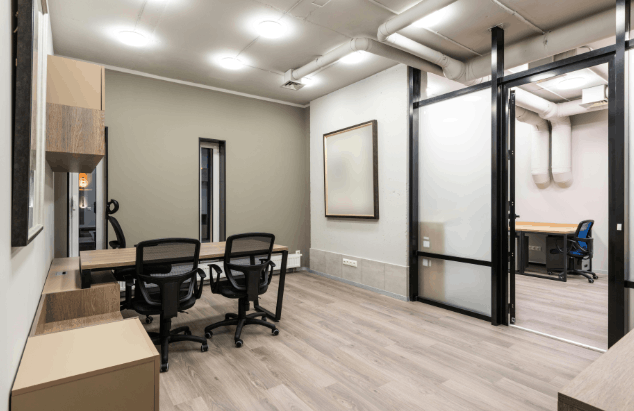
Successful installation requires careful coordination, often involving both facilities and operational teams to balance practical considerations like soundproofing and usability.
Installation times depend on the wall system selected, but are usually shorter than complete refurbishments.
Regular maintenance and inspections help ensure safe operation and protect long-term investment in the system.
Monitoring how movable walls are used, including utilisation rates and staff feedback, helps businesses understand the impact of adopting flexible layouts, reduce disruption during future reconfigurations, and prolong the life of their workspace.