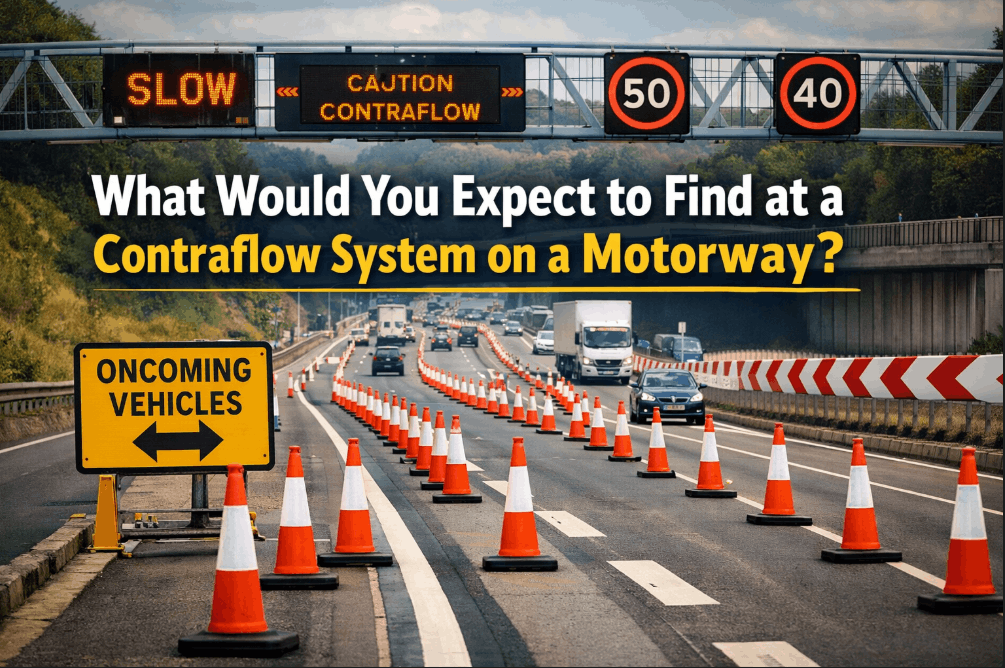
At a motorway contraflow system, you should expect to find lower speed limits, narrower lanes, and traffic travelling in the opposite direction on the same carriageway. These systems are typically separated by temporary markers like traffic cones or cylinders rather than permanent barriers.
Drivers must also anticipate the absence of a hard shoulder and the presence of oncoming vehicles in close proximity.
The primary function of a contraflow is to maintain traffic movement while major roadworks occur on the opposite side of the motorway.
Because the environment is significantly more restricted than a standard dual carriageway, reduced speed limits are mandatory to ensure the safety of both motorists and roadside workers.
What would you expect to find at a contraflow system on a motorway?
At a contraflow system on a motorway, the most critical feature you will find is a mandatory lower speed limit, typically 50 mph or 40 mph.
You will also encounter traffic cones or yellow bollards separating you from oncoming traffic, narrower lane widths, and temporary signage directing you to the correct lane well in advance of the crossover point.
Navigating the crossover: How these systems operate
A contraflow is a temporary layout where traffic is diverted from its usual side of the motorway to share the opposite carriageway.
Instead of the standard separation provided by the central reservation, you are guided through a crossover point into a stream of traffic moving in the other direction, separated only by high-visibility markers and strict speed enforcement.

Understanding the mandatory lower speed limits
Speed reduction is not a suggestion in a contraflow; it is a legal requirement. Because these limits are strictly enforced by average speed cameras, many motorists who are caught exceeding the threshold often ask why was I not offered a speed awareness course following their citation.
In these high-risk zones, authorities often take a zero-tolerance approach to ensure the safety of the workforce.
When reviewing motorway safety data, a common pattern is that the risk of “side-swipe” or head-on collisions increases as lane widths decrease.
Lower speeds give drivers more time to react to the subtle movements of vehicles in adjacent narrow lanes.
Why Speed Matters for Vehicle Stability
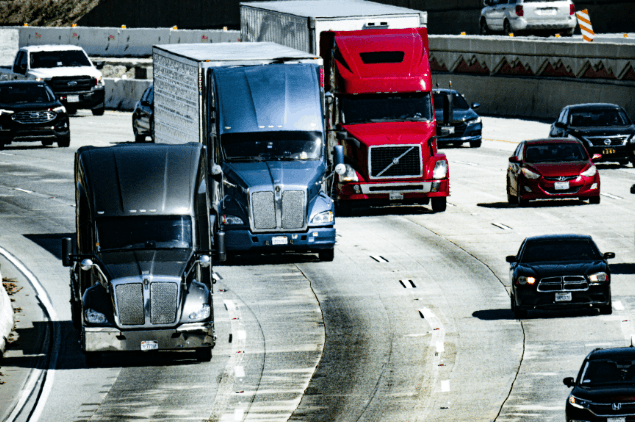
In a contraflow, you are often driving much closer to Heavy Goods Vehicles (HGVs). At 70 mph, the “buffeting” or air pressure created by a large lorry can push a smaller car off course.
At 50 mph, this physical force is significantly reduced, making it easier to maintain a central position within a narrow lane.
Speed Limit vs. Safety Margin
| Feature | Standard Motorway | Contraflow System |
| Speed Limit | Usually 70 mph | Typically 40 or 50 mph |
| Enforcement | Fixed/Mobile Cameras | Average Speed Cameras (Common) |
| Lane Width | ~3.65 Metres | ~2.5 to 3.25 Metres |
| Barrier Type | Steel/Concrete | Plastic Cones/Cylinders |
Identifying contraflow road signs and lane markings
The signage for a contraflow is designed to be impossible to miss. You will encounter large yellow signs with black symbols; this color scheme specifically denotes temporary roadworks.
As you navigate the narrowed lanes, maintaining your orientation is vital. It is helpful to stay mindful of what colour are the reflective studs between a motorway and a slip road so you can safely identify your exit point despite the presence of temporary yellow signage and construction barriers.
- The Crossover Sign: This shows arrows pointing from your side of the road to the other, indicating exactly where the lane shift begins.
- Lane Restriction Signs: These are vital for HGV drivers and those towing trailers, as they often prohibit wider vehicles from using the right-hand (narrowest) lane.
- Stay in Lane: White text on a blue or yellow background instructing you not to switch lanes, as doing so in a narrow-lane environment is highly dangerous.
What would you expect to find at a contraflow system on a motorway? You should look for the “End of Roadworks” sign, which marks the point where you return to the original carriageway and standard motorway regulations.
Navigating the hazards of narrow lanes and oncoming traffic
The psychological shift of seeing headlights directly to your right, separated only by a line of cones, can be jarring.
In practice, many drivers subconsciously “hug” the left side of their lane to move away from the oncoming flow. However, this can be dangerous if there is another vehicle or a temporary barrier on your left.
Dealing with Vehicle Buffeting
When passing a large vehicle in a contraflow, keep a firm grip on the steering wheel. A common mistake is over-correcting when the wind hits your vehicle.
By maintaining a steady speed and looking well ahead, rather than at the cones, you can stabilize the car against the air pressure changes.
What are the primary rules of Highway Code Rule 290?
Rule 290 of the Highway Code provides the essential legal framework for driving through these areas. To stay compliant and safe, you must prioritize the following:
- The Crossover Sign: Observe the arrows indicating the shift to the opposite carriageway to avoid late lane changes.
- Lane Restrictions: Pay attention to weight and width limits, which frequently prohibit HGVs from using the outermost narrow lanes.
- Stay in Lane signs: These are mandatory instructions designed to prevent side-swipe collisions in confined spaces.

Emergency protocols: Breaking down with no hard shoulder
A breakdown in a contraflow is a high-risk event because the hard shoulder is often used as a running lane or is completely blocked by roadworks.
6 Steps to Survive a Contraflow Breakdown
- Identify a refuge: Try to reach an Emergency Area (EA) or a point where the verge is wider.
- Switch on hazards: Activate your hazard warning lights immediately to alert traffic behind you.
- Position the vehicle: Pull as far to the left as possible to leave space for emergency vehicles.
- Exit safely: Exit via the left-hand (passenger) door if there is a safety barrier or verge to stand behind.
- Use the SOS phone: If available, use the roadside emergency phone; it provides your exact location to the control centre.
- Wait for recovery: Most major contraflows have “Free Recovery” services that monitor the zone via CCTV to clear obstructions quickly.
Comparing Contraflow vs. With-flow systems
It is easy to confuse these two in a theory test or while driving. A “with-flow” system keeps you on your side of the motorway but shifts you into the hard shoulder. A “contraflow” moves you across the central reservation.
Contraflow vs. With-flow Comparison
| Feature | Contraflow System | With-flow System |
| Carriageway | Opposite side of the motorway | Your original side |
| Traffic Direction | Oncoming traffic to your right | All traffic moving in your direction |
| Primary Divider | Cones/Cylinders | Standard Lane Markings |
| Risk Level | Higher (Head-on risk) | Lower (Standard flow) |
Common mistakes drivers make in motorway roadworks
One of the most frequent errors is rubbernecking, slowing down to look at the construction work on the other side. This causes unnecessary congestion and leads to rear-end shunts.
Another issue is late merging. While zip merging is often encouraged at the point of lane closure, once you are inside the contraflow, trying to change lanes is illegal and dangerous.

The bottom line for motorway safety
Navigating a contraflow requires a higher level of concentration than standard motorway cruising. By expecting lower speed limits, narrower lanes, and oncoming traffic, you remove the element of surprise.
Always choose your lane early, maintain a steady speed, and keep a generous following distance. These simple steps ensure that you pass through these high-risk zones safely and legally.
FAQ
Are there traffic lights in a motorway contraflow?
No. You would not expect to find traffic lights on a motorway. Traffic is kept moving via lane diversions and lower speed limits to prevent high-speed tailbacks.
Is the speed limit always 50 mph?
Not always, though 50 mph is the most common. In tighter sections or near active bridge repairs, it may drop to 40 mph or even 30 mph.
Can I use cruise control in a contraflow?
While legal, it is often discouraged. The narrow lanes and changing traffic speeds require active driver input; cruise control can lead to a lapse in concentration.
What happens if I ignore the “Stay in Lane” sign?
Ignoring these signs is a moving traffic offence. It can result in a fine and points on your licence, as lane-switching in narrow lanes causes accidents.
Do contraflows operate at night?
Yes, they are permanent fixtures until the roadworks are complete. However, they are more hazardous at night due to the glare from oncoming headlights.
Why are the lanes so narrow?
Lanes are narrowed to squeeze the original number of motorway lanes into a smaller space on the opposite carriageway, maximizing traffic capacity.
Are there cameras in contraflows?
Almost always. Most major UK motorway contraflows use HADECS 3 or average speed cameras to ensure 100% compliance with the temporary limit.
Can I overtake a slow lorry?
Unless there is a specific sign allowing it, you should stay in your lane. If a lorry is restricted to the left, and you are in the right-hand lane, you may pass it, but you should not “weave” between lanes.