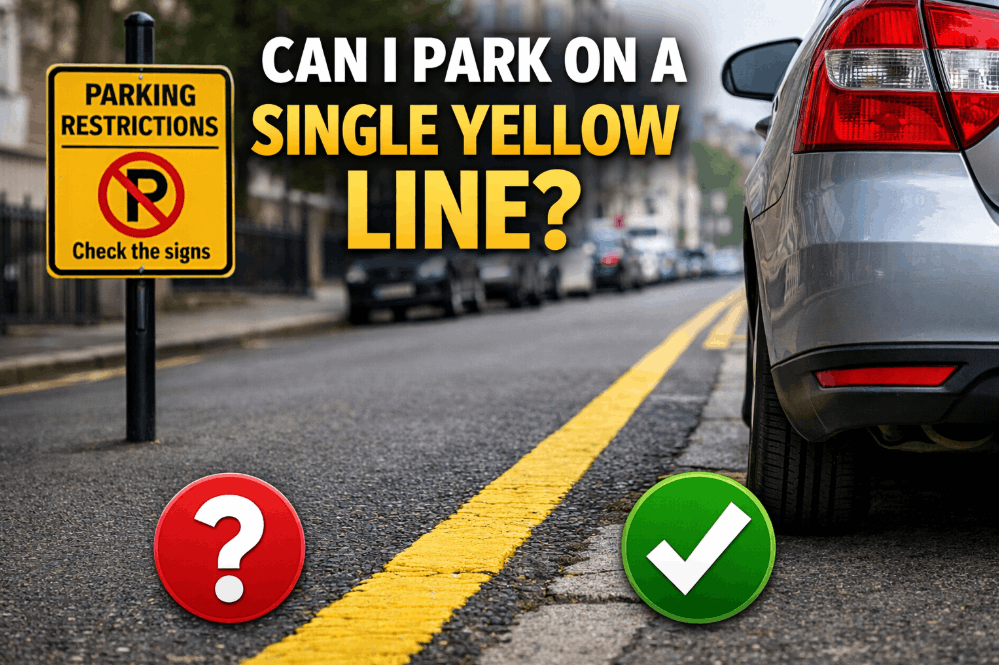
Many drivers frequently ask, Can I park on a single yellow line? and the answer depends entirely on the specific “time plate” sign governing that stretch of road.
In the UK, you can legally park on a single yellow line only outside of the restricted hours displayed on nearby roadside signs or as part of a wider Controlled Parking Zone.
During restricted times, these lines generally prohibit waiting and parking to maintain traffic flow, though specific exemptions often apply for active loading or Blue Badge holders.
Unlike double yellow lines, which prohibit parking 24 hours a day, 365 days a year, single lines are part-time restrictions. These rules fluctuate based on local council requirements, traffic density, and the specific needs of the high street or residential area.
Can I park on a single yellow line at any time?
You can legally park on a single yellow line during off-peak hours when the specific restrictions for that road are not in force.
These restricted times vary significantly between different councils and streets; for example, one road may forbid parking from 8 am to 6 pm, while another may only restrict it during rush hour.

What is the legal difference between waiting and parking?
The presence of a single yellow line indicates a prohibition on waiting. In the eyes of a Civil Enforcement Officer, there is often no distinction between parking for an hour and waiting for five minutes.
Unless you are actively loading or unloading, and no “no loading” kerb markings are present, leaving your vehicle stationary during restricted hours will likely result in a Penalty Charge Notice (PCN).
How do you identify the restricted hours?
To avoid a fine, you must locate the small yellow or white rectangular sign, known as a time plate, situated on the pavement or attached to a lamp post near the line.
If no sign is visible in your immediate vicinity, you may be within a Controlled Parking Zone (CPZ), where entry signs at the boundary of the district dictate the rules for every street inside that zone.
| Feature | Single Yellow Line | Double Yellow Line |
| Standard Rule | Restricted during specific times | Restricted 24 hours a day |
| Sign Required? | Yes (either nearby or at zone entry) | No (the lines are the sign) |
| Loading Allowed? | Usually (unless blips are present) | Usually (unless blips are present) |
| Sunday/Bank Holiday | Often free (check signs) | Usually restricted |
When are the single yellow line parking rules most confusing?
New drivers and even experienced commuters often fall into the trap of assuming standard hours. A common pattern in urban areas involves split restrictions, where a line might be restricted in the morning and evening but open during the midday lull.
Understanding the Kerb Blips
Look at the vertical yellow marks on the kerb, known as blips.
- Single Blip: No loading or unloading during the times shown on the accompanying sign.
- Double Blip: No loading or unloading at any time.
If you see double blips, you cannot stop to let someone out or pick up a heavy delivery, even if you have a Blue Badge or are only stopping for a few seconds.
Steps to Verify if Parking is Legal
- Check the kerb for vertical yellow blips to see if loading is banned.
- Search for the nearest yellow time plate sign on the lamp posts.
- Read the days and times carefully (e.g., Mon–Sat 8 am – 6.30 pm).
- Confirm if you are within a Controlled Parking Zone (CPZ) if no sign is found.
- Check for any Suspension yellow covers on nearby permanent signs.
- Ensure no part of your vehicle overhangs a dropped kerb or double yellow section.
- It is advisable to factor in a 5-minute buffer before restrictions resume to avoid instant-issue penalties.
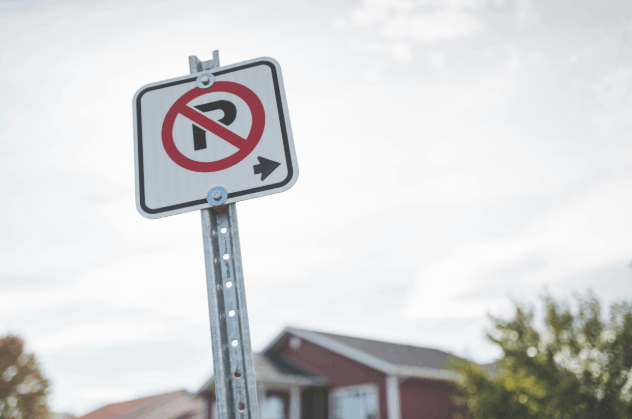
Does a Blue Badge allow you to park on a single yellow line?
As of 2026, Blue Badge holders generally maintain the right to park on single yellow lines for up to three hours, provided they are not causing an obstruction and there is no active loading ban in place.
Many drivers utilize these rights while learning, can i get a mobility car on standard rate PIP to improve their long-term independence The badge must be clearly displayed along with the parking clock set to the time of arrival.
In practice, this is where many disabled drivers receive fines by ignoring the blips on the kerb. If there is a single or double blip indicating a loading ban, the Blue Badge does not grant an exemption to park there during those specific loading hours.
Can I park on a single yellow line on Bank Holidays?
It is a frequent mistake to assume that Bank Holidays or Sundays are automatic free parking days. While many councils do not enforce single yellow lines on these days, many others—especially in busy city centres or tourist hotspots, treat Bank Holidays as a standard Monday or Friday.
- The Rule of Thumb: If the sign says “Mon–Sat,” you are safe on a Sunday.
- The Hazard: If the sign says “At all times” or does not specify days, the restriction remains active 365 days a year.
When planning any trip, checking local parking signage is as essential as verifying your Travel insurance to ensure your journey is fully protected from unexpected costs.
The Legal Process for Challenging a PCN
If you return to your car to find a PCN, do not panic. Under current enforcement standards, digital monitoring is the norm; however, human and technical errors remain frequent grounds for a successful challenge.
When reviewing decisions on appeals, independent tribunals often look for “substantial compliance” regarding signs and lines.
Common Grounds for Appeal
- Faded Markings: If the single yellow line is so worn that it looks like a series of dashes or is completely invisible in sections, the restriction may be unenforceable.
- Missing Signs: If there is no time plate and the street is not part of a clearly marked CPZ, the council has failed its duty to inform.
- Observation Time: For loading/unloading, officers are usually required to observe the vehicle for a set period (often 5 minutes) to see if activity is taking place.
Loading and Unloading Allowances
- Commercial Delivery: Generally allowed for up to 20 or 40 minutes, depending on the council.
- Personal Loading: Allowed for heavy or bulky items that cannot be reasonably carried from a legal parking space.
- Evidence: Keep receipts or delivery notes if you are fined while loading; these are vital for a successful appeal.
How To Appeal A Single Yellow Line PCN?
If you believe a parking ticket was issued in error—perhaps due to obscured signage or a misunderstanding of loading rights—following a structured appeal process is vital. Local authorities must adhere to strict transparency standards under civil enforcement regulations.
A successful challenge relies on a methodical approach to gathering evidence:
- Gather immediate photographic evidence: Take clear photos of your vehicle’s position, the single yellow line’s condition, and the nearest time plate.
- Verify the signage visibility: Ensure the time plate was not obscured by overgrown foliage, graffiti, or other street furniture.
- Check for “substantial compliance”: Note if the yellow line is broken or significantly faded, as markings must be clearly identifiable to be enforceable.
- Document loading activity: If you were fined while loading, secure a delivery note, receipt, or a signed statement from the business involved.
- Request the Civil Enforcement Officer‘s (CEO) notes: You have the right to see the “observation time” recorded before the ticket was issued.
- Draft a formal “Informal Representation”: Write to the council within 14 days, clearly stating the grounds (e.g., “The restriction was not clearly signed”).
- Escalate to the Traffic Penalty Tribunal: If the council rejects your formal appeal, you can take the case to an independent adjudicator for a final decision.

Summary of Parking Compliance
Staying safe on UK roads requires a sign-first mentality. Never assume that because other cars are parked on a single yellow line, it is legal to join them; they may have permits, Blue Badges, or simply be risking a fine.
- Always locate the time plate before leaving your vehicle.
- Check for kerb blips to ensure you aren’t violating a loading ban.
- Verify Sunday and Bank Holiday rules via the local council website if the sign is ambiguous.
- Photograph your car and the nearest sign if you feel a restriction is poorly marked.
FAQ
Can I park on a single yellow line after 6 pm?
Only if the roadside sign specifies that restrictions end at or before 6 pm. While many urban restrictions finish then, some evening entertainment zones extend “No Waiting” rules until midnight or later.
Is parking free on single yellow lines on Saturdays?
This depends entirely on the local time plate. If the sign says “Monday to Friday,” Saturday is free. If it says “Monday to Saturday” or “Every Day,” you must follow the stated times.
Can I stop to drop off a passenger on a single yellow line?
Yes, you can briefly stop to allow a passenger to get in or out, even during restricted hours, provided there is no “No Stopping” (Red Route) or double-blip loading ban active.
How long can I stay on a single yellow line to unload?
Most UK councils allow up to 20 minutes for “continuous” loading or unloading. You must be seen actively moving goods; the vehicle cannot simply be left unattended without activity.
What is the fine for parking on a single yellow line?
Fines, or Penalty Charge Notices (PCNs), typically range from £50 to £130. These are usually halved if paid within 14 days, depending on the issuing local authority’s tier system.
Does a single yellow line mean no parking at all?
No, it means “No Waiting” during specific hours. You can park there freely outside of those hours. The specific times are always dictated by a nearby sign or zone entry.
Can I park on a single yellow line if I am inside the car?
No. Being inside the vehicle does not exempt you from “waiting” restrictions. If the restriction is active and you are not loading, an officer can still issue a PCN.