If you’re trying to understand the winter fuel payment for 2026, you’ve probably searched winter fuel payment 2025, what month do i get my winter fuel payment, and winter fuel payments pensioners—because the rules, dates, and whether you need to claim can feel confusing.
You usually get your winter fuel payment in November or December. Below you’ll find the key dates, eligibility checks, typical amounts, how the £35,000 recovery rule works, and the steps to take if your payment doesn’t arrive.
What month do I get my winter fuel payment? In most cases, you’ll be paid in November or December. If it hasn’t arrived by the official “chase-up” date for your payment cycle, contact the Winter Fuel Payment Centre.
Winter fuel payment 2026: when it’s paid, who qualifies, and how it works
Before we get into the details, it helps to define what 2026 means in practice. People use “Winter Fuel Payment 2026” in two different ways:
- The winter 2025–26 payment cycle (most payments land in late 2025, and chase it/deadlines happen in early 2026).
- The winter 2026–27 payment cycle (most payments land in late 2026).
This article covers both, so you can act confidently now, and you also know what to expect later in the year.
And just to be clear: when people say winter fuel payment, they usually mean the pension-age winter heating help paid automatically to many older people. In Scotland, there’s a different benefit, covered below.

Winter fuel payment dates: what month do i get my winter fuel payment?
Here’s the straightforward answer most people need:
- Most people are paid automatically in November or December.
- You’ll usually get a letter in October or November telling you how much you’ll get and which bank account it will go into.
- If your payment hasn’t arrived by the official “chase-up” date for that cycle (typically late January), you should contact the Winter Fuel Payment Centre.
Winter Fuel Payment timeline at a glance
| Step | What usually happens | Why it matters |
|---|---|---|
| Qualifying week (September) | Your circumstances in a specific September week help determine eligibility/amount | It’s the anchor point for many rules |
| October/November | You may get a letter confirming payment details | Useful for checking amount/bank account |
| November/December | Payment is made for most people | The main “when do I get paid?” window |
| Late January (following year) | If not paid, you’re usually told to chase it | Helps avoid missing your payment |
| By 31 March (some cycles) | Final claim deadline for that winter cycle | Important if you need to claim rather than get it automatically |
If it’s January 2026 or later and you still haven’t been paid for the winter 2025–26 cycle, the “Not received” section later in this guide explains the quickest checks and next steps.
Winter fuel payments pensioners: eligibility in 2026 and the most common reasons it’s missing
Most eligible pensioners don’t need to do anything; payments are often automatic. But eligibility can still trip people up because it isn’t only about age; it’s also about where you live, your circumstances in the qualifying week, and, in recent rules, your income level for tax recovery.
The basic eligibility check
You’re generally in the target group if:
- You’re at (or above) State Pension age, and
- You meet the residence/circumstances rules for the relevant part of the UK during the qualifying week.
If you’re unsure, these are the checks that usually decide it.
The “why you might not get it” reality checks
People most commonly miss out or receive less because one of these applies:
- Where you live: England and Wales have the classic Winter Fuel Payment. Scotland uses a different benefit. Northern Ireland has its own administration.
- Hospital or prison during the qualifying week: Some “whole week” scenarios can affect eligibility.
- Care home rules: Some care-home situations change entitlement or reduce the amount.
- Immigration status limits: “No recourse to public funds” can prevent payment in some cases.
- You need to claim: you might be eligible but not paid automatically in certain situations (explained below).
This is also where confusion around “winter fuel payments pensioners” happens: two pensioners can have different outcomes depending on where they live and what their circumstances were during that key week.
How the qualifying week works and why September matters
A lot of the “how can they decide this” frustration disappears once you understand the qualifying week.
- There is a qualifying week in September each year.
- Your circumstances during that week can affect whether you get the payment and the amount.
- The qualifying week is tied to a set rule (often described as the week beginning the third Monday in September).
Practical takeaway: If you move house, go abroad, enter hospital care, or change living arrangements around September, it’s worth checking the rules because that’s the period that often drives the winter decision.

How much you can get in 2026, and what affects the amount
The amount can vary depending on your age bracket and living situation (for example, whether you live alone, whether someone else in your household qualifies, and whether you’re in a care home setting).
The easiest way to make sense of the amount is to break it into three parts:
- There are standard amounts linked to age brackets.
- Your household situation can split or adjust the total.
- Certain circumstances (like some care home situations) can reduce entitlement.
Typical payment amounts (examples)
| Situation | What usually happens | Why your amount might differ |
|---|---|---|
| You live alone | You typically get the standard amount for your age | If you were in a hospital/care setting for the qualifying week, rules may differ |
| You live with another eligible person | The household may receive a combined total (sometimes effectively split) | Some benefits/claims can affect how it’s divided |
| You live with someone who is not eligible | You may get the standard amount | Household income doesn’t usually change the amount, but see the £35,000 recovery rules |
| You’re in a care home | Some people still get it; some get a reduced amount; some don’t qualify | Care home date and benefit type can matter |
To get the quickest answer for your situation, use your letter (if you receive one) and match it to your living arrangements during the September qualifying week.
The £35,000 income rule in practice: what recovery means for you
One of the most important modern changes is that the Winter Fuel Payment may be recovered through the tax system if your individual income is above a set threshold (commonly discussed as £35,000).
Here’s what that means in real life:
- If your individual income is above £35,000, you may still receive the payment initially, but it can be clawed back later via tax.
- If your individual income is £35,000 or less, you typically keep it.
- This is assessed per person, not per household, so you and your partner could be treated differently if your incomes differ.
How the £35,000 recovery is usually collected
Recovery typically happens in one of two ways:
- PAYE tax code adjustment (for people not in Self Assessment)
- Your tax code might change later, and you effectively pay back the amount gradually.
- Self Assessment (if you already filed a tax return)
- The recovery may appear through your tax calculation.
What to watch for: If your income is above the threshold, the payment can be recovered later through tax. That’s why some higher-income pensioners choose to opt out for the next cycle, where opting out is available.

Opting out in 2026: when it can make sense
If you’re confident your income will be above the threshold and you’d rather not receive a payment that will be recovered later, opting out may be available for upcoming cycles (often from an early-April window for the next winter).
Opting out can make sense if:
- You want to avoid later PAYE code changes, or
- You’d prefer a cleaner tax position (especially if you already manage your income carefully), or
- You simply don’t want to receive a benefit that will be reclaimed anyway.
Opting out may not make sense if:
- Your income could fall below the threshold in the relevant tax year, or
- You’re not sure about your taxable income (for example, because of one-off pension withdrawals or investment income).
If your income fluctuates, consider checking your expected taxable income for the year before opting out, especially if you’re close to the threshold.
Winter fuel payment 2025 and 2026: what changed, what stayed the same, and why people are confused
A quick look at what shifted between winter fuel payment 2025 and 2026, what stayed consistent (timing and eligibility basics), what changed (rules and income-based recovery), and why that’s left many pensioners unsure where they stand.
What stayed broadly consistent:
- It remains a pension-age winter help payment (or equivalent, depending on the nation).
- Most eligible people still expect payment in November/December.
- The qualifying week in September remains a key concept.
What has felt “new” to many households:
- Greater emphasis on who should keep it (or have it reclaimed) based on income.
- More attention on opt-out/opt-in choices for certain cycles.
- More public confusion about differences across the UK (especially Scotland vs England/Wales).
Key takeaway: If you received it in one year and not the next (or vice versa), it doesn’t always mean you’re suddenly “not a pensioner” in the system; it often means your circumstances, location, or the rules for that cycle affected the outcome.
Do you need to claim the Winter Fuel Payment or is it automatic
For many people, it’s automatic, especially if you receive the State Pension or certain other benefits. But some people must claim even when they’re eligible.
Here are the most common situations where you might need to claim:
- You’ve never received it before, and you’re newly eligible,
- You deferred your State Pension (and your situation changed),
- You moved to (or from) an eligible area, and the system needs updated details.
- Your personal circumstances changed around the qualifying week, and you want to confirm your entitlement.
What you’ll need if you have to claim
- Your National Insurance number
- Your bank account details
- Dates relevant to your move, retirement, or pension deferral (if applicable)
- Basic details about your living situation during the September qualifying week
Micro-CTA: If you’re unsure whether you need to claim, don’t guess; check whether you were paid in previous years and whether anything major changed (address, benefits, pension status).

If you haven’t received your winter fuel payment: the step-by-step fix
If your payment hasn’t arrived, use the steps below to check the most common causes and fix it quickly.
Step 1: Check the timing window
- If it’s before the end of December, you may still be within the normal payment window.
- If it’s January, it’s time to get organised. Many cycles specify a “contact by late January if it hasn’t arrived” instruction.
Step 2: Look for your letter
Many people get a letter in October or November that confirms:
- The amount you’ll receive, and
- The bank account it will be paid into.
If you have the letter, compare its bank details to your current account.
Step 3: Check common blockers
- Have you moved house recently
- Did you change bank accounts
- Were you in a hospital, a care home, or abroad during the qualifying week
- Are you in a part of the UK where a different benefit applies (Scotland)
Step 4: Contact the right place
If you’re in England or Wales, you’ll typically be directed to the Winter Fuel Payment Centre. If you’re in Northern Ireland, the route is different. If you’re in Scotland, you’ll be looking at Pension Age Winter Heating Payment instead.
What to have ready before you contact them
- National Insurance number
- Date of birth and current address
- Bank details used for pension payments
- Any letter you’ve received about the payment
- Key dates (moving date, care home/hospital dates, travel dates around September)
If you’re chasing a missing payment, write down the date you called, who you spoke to, and what they advised, so you don’t have to repeat yourself later.
Scotland, Northern Ireland, and why your neighbour gets something different
The rules differ across the UK, so the right scheme depends on where you live:
- England & Wales: Winter Fuel Payment is the standard scheme people mean when they say “winter fuel payment”.
- Scotland: a different payment is used for pension-age winter heating support (so your entitlement and administration route may differ).
- Northern Ireland: similar concept, different administration.
Practical takeaway: When you read advice online, always check whether it’s written for England/Wales, Scotland, or Northern Ireland, because the right phone number and what it’s called can be different.
How the winter fuel payment interacts with other winter support
People often mix the Winter Fuel Payment up with other schemes. Here’s how to keep them separate:
Winter Fuel Payment vs Warm Home Discount
- Winter Fuel Payment: usually a cash payment into your bank account (if eligible).
- Warm Home Discount: typically a discount applied to your electricity bill for eligible households (different eligibility rules).
Winter Fuel Payment vs Cold Weather Payment
- Winter Fuel Payment: pension-age winter help, not triggered by temperature.
- Cold Weather Payment: triggered by very cold conditions and paid to people on specific benefits (not the same thing).
Micro-CTA: If your goal is lower bills this winter, check your eligibility for multiple schemes; you may qualify for more than one, depending on your circumstances.

Tax, benefits, and will this affect anything else
Here’s how tax and benefits usually interact with the Winter Fuel Payment.
Is the Winter Fuel Payment taxable
In practice, the main tax-related issue many people are concerned about now is the income-based recovery (the £35,000 threshold topic). That’s different from asking whether the payment itself is “taxed like earnings.” The key point for planning is whether you’ll keep it or whether it will be reclaimed later via the tax system.
Will it affect other benefits
Generally, winter support schemes are designed so they don’t knock you off core entitlements just because you received a seasonal payment, but the safest approach is to treat the Winter Fuel Payment as separate from means-tested benefit calculations unless you’ve been told otherwise for your specific benefit.
If you’re on a tight budget and you’re not sure about Pension Credit or other support, it’s worth checking because those benefits can unlock additional help (and can also affect winter support eligibility in some policy years).
Avoiding scams
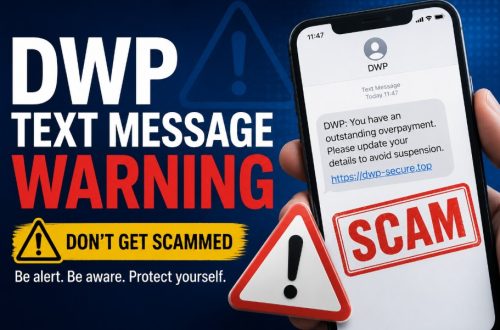
Scammers love seasonal benefits because they know people are expecting a payment. Protect yourself with these rules:
- Be suspicious of any message that asks you to “confirm your bank details” via a link.
- Don’t share your full bank details or passwords in response to unsolicited calls or texts.
- If you’re unsure, use official contact routes (not the number in the message).
As a general safety check, don’t share bank details or passwords in response to unsolicited texts, calls, or DMs.
Real-life examples
These examples show how the rules play out in common real-life situations.
Example 1: You’re a pensioner living alone in England
- You’ll likely be paid automatically in November or December.
- If your income is below the recovery threshold, you keep it.
- If it hasn’t arrived by the official chase date, you contact the centre.
Example 2: You and your partner both qualify, but only one of you is over £35,000
- You may both receive payments depending on the household rules and ages, but
- The higher-income person may have their payment recovered later, while the lower-income person keeps theirs.
Example 3: You moved from England to Scotland
- You might stop seeing “Winter Fuel Payment” and instead receive the Scottish equivalent.
- If you chase the wrong scheme, you can waste time, so confirm which nation’s system now applies.
What people commonly say about Winter Fuel Payment online
From November 2025, pensioners earning over £35,000 will still get the Winter Fuel Payment, but may later repay it through the tax system.
Read More: https://t.co/T8BTpoftjQ pic.twitter.com/yAfEIUDYSn
— IBTimes UK (@IBTimesUK) October 7, 2025
We’re delighted to hear @SpenceLivermore recognise the importance of our voice and that of so many older people in getting the change to the Winter Fuel Payment.
Thank you to everyone who took action and helped ensure struggling pensioners get more support this winter. pic.twitter.com/9Cz00gpMwN— Age UK Campaigns (@ageukcampaigns) June 13, 2025
SCAM ALERT – Winter Fuel Payment, Warm Home Discount, Energy Support Scheme etc
byu/Paxton189456 inBenefitsAdviceUK
Keir Starmer says he wants more pensioners to be eligible for winter fuel payment
byu/topotaul inunitedkingdom
How do you feel about the government’s winter fuel payment u-turn?
byu/flyingmantis789 inAskBrits
Final summary
- What month do i get my winter fuel payment? Usually, it is in November or December.
- Most eligible people are paid automatically, often with a letter arriving in October or November.
- A September qualifying week often determines eligibility and can affect your amount.
- If your individual income is above £35,000, the payment may be recovered later through the tax system.
- If you don’t receive your payment by the chase-up point for your cycle, contact the correct scheme for your nation (England/Wales, Northern Ireland, or Scotland’s equivalent).
If you’re waiting for a payment, check
- Whether you’re in the normal November/December window
- Whether you received a letter
- Whether anything changed around the September qualifying week
If it’s past the official chase date, contact the relevant payment centre with your NI number and bank details to hand.
FAQ
Do you have to apply every year
Usually not. Most eligible people are paid automatically, but some situations require a claim (for example, if you’ve never received it before or your pension situation changed).
What if you changed address or bank
That’s one of the top causes of delays. Update your details and keep any confirmation messages or letters.
What if you’re unsure whether Scotland rules apply to you
If you live in Scotland, you’re likely dealing with Scotland’s pension-age winter heating payment rather than the Winter Fuel Payment label used in England and Wales.
Author expertise note
This guide is written as a practical, UK-focused explainer that reflects how the payment works in real life: timing windows, qualifying-week logic, common reasons for non-payment, and the tax recovery/opt-out decisions that many pensioners now need to understand. The aim is that you can read it once and know exactly what to do next for your own situation.